
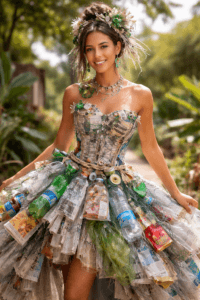
 It’s stunning how a single industry like fashion can stir such big waves in the environment. Fast fashion, with its quick turnaround of styles, might feel like a dream for anyone who loves staying trendy, but the environmental cost is high. The production processes are packed with huge carbon footprints, extensive water use, and large amounts of waste. Yikes, right? This is exactly where the importance of sustainable fashion shines. It prioritizes eco-friendly materials and ethical practices, aiming to limit negative impacts on the planet.
Women’s choice in fashion holds significant power in this change. Just think about it: every purchase backs up a chain of production that you’re supporting. When women opt for sustainable styles, they’re essentially casting a vote for the planet. It’s amazing how personal style choices can drive trends toward sustainability. From choosing garments produced with low-impact dyes to supporting brands with fair labor practices, women are shaping the path forward.
What exactly is sustainable fashion, though? It boils down to the materials and methods used in creating clothing. Materials like organic cotton, hemp, and recycled fabrics are stepping into the spotlight. These choices help reduce the dependency on non-renewable resources. Plus, ethical production emphasizes fair wages and safe working conditions, ensuring that kindness goes into every stitch.
Being a smart consumer is more than just following trends — it’s about making informed choices. Imagine if every purchase was a step toward a more sustainable lifestyle. This isn’t just about buying less but choosing better. A huge part of this movement is becoming aware as a consumer and understanding the impact of each purchase. So, by consciously opting for sustainable options, you’re not just buying clothes — you’re investing in a better world.
The Evolution of Sustainable Fashion for Women
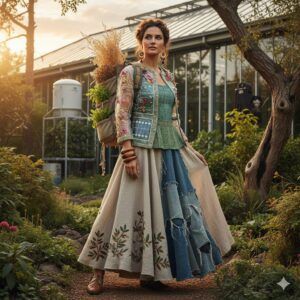 Taking a quick walk through the history of fashion, it’s clear that the journey to sustainable women’s wear didn’t start overnight. Decades ago, the focus was on rapid production and maximizing profits, often at the expense of the environment and ethical practices. But the winds of change started blowing, shifting the spotlight towards sustainability.
Innovations have been a game-changer in the fashion industry, bringing eco-friendly options to the forefront. Organic and recycled materials are now shaking up the traditional fabric line-up. Designers and brands are stepping up with innovative methods, such as zero-waste fashion techniques where every scrap of fabric finds a purpose. Cutting-edge technologies like 3D printing and digital design also help in minimizing waste, creating designs that resonate with eco-conscious consumers.
Some brands have emerged as shining examples by seamlessly incorporating sustainability into their identity. Patagonia, well-known for their outdoor apparel, relentlessly pioneers in using recycled materials and encouraging repair over replacement. Stella McCartney has been a trailblazer, showcasing how high fashion and ethics can strut hand-in-hand on the same runway. It’s brands like these that inspire others to follow suit and reflect that being eco-friendly doesn’t mean compromising on style or quality.
Mainstream retailers are catching on too, embracing sustainable practices in their collections. Recognizing the demand, these bigger names are introducing eco-friendly lines or integrating sustainable practices within existing ones. While the transition may seem slow, the growing presence of sustainable collections in major retailers speaks volumes about progress in the industry.
True change in the fashion world is being driven by those who are ready to combine their love for style with a commitment to the planet. It’s about rewriting the narrative of what fashion could be and showing that sustainability isn’t a fleeting trend, but a necessity for future generations.
Identifying Sustainable Fashion Brands and Practices
 Navigating the world of sustainable fashion can feel like a detective mission. Figuring out which brands genuinely care about the planet and its people is key, because, let’s face it, not all that glitters is gold. But there’s hope! Knowing what to look for—like ethical practices and eco-friendly production methods—puts consumers in control of their fashion choices.
Spotting a brand genuinely committed to sustainability involves checking if they meet specific criteria. Do they use organic or recycled materials? Are they transparent about where their clothes are made and who makes them? These are essential questions to ask. Dive into the world of certifications too. Labels from organizations like GOTS (Global Organic Textile Standard) or Fair Trade Certified give a big thumbs up to brands doing it right.
So who’s leading the pack in 2026? Brands like Ecoalf, known for transforming ocean plastic into chic outerwear, and Thought Clothing, dedicated to natural fabrics and prints, are rocking it in the sustainability sphere. Another standout, People Tree, is often praised not just for its eco-friendly fabrics, but also for actively supporting the Fair Trade movement.
Understanding labels and certifications can be a bit like learning a new language, but they’re vital for making informed choices. Certifications signal accountability and adherence to eco-friendly practices. Take time to familiarize with these markers of trust; they simplify identifying genuinely sustainable brands.
The big one—transparency. Brands that lay all their cards on the table about their sourcing and manufacturing gain trust. Ethical sourcing ensures materials are not only planet-friendly but also that the people involved are treated fairly. Conscious brand choices focus on ethical and sustainable success, offering consumers a way to align their shopping habits with their values.
Practical Tips for Building a Sustainable Wardrobe
 Creating a sustainable wardrobe doesn’t mean revamping your entire closet overnight. It’s more about thoughtful selection and conscious buying. Start by assessing your current wardrobe and identifying pieces that are versatile and timeless, ones that’ll have your back for years.
Switching to eco-friendly clothing choices can be as simple as choosing quality over quantity. Prioritize clothes that are built to last and crafted with sustainable materials. Think organic cotton or bamboo — materials that aren’t harsh on the planet and feel great to wear.
Making the transition to a minimalist wardrobe can take your sustainability game to the next level. Capsule wardrobes, which focus on a few high-quality, versatile pieces, allow for easier mix and match while reducing clutter. It’s all about doing more with less.
Thrifting and upcycling breathe new life into pre-loved items. Hit up local thrift stores for unique finds that add character to your wardrobe. And don’t underestimate the power of upcycling; turning an old dress into a chic top or getting those worn-out jeans patched up can work wonders.
Budget is often a concern, but sustainability doesn’t have to mean expensive. Sales, swap meets, and affordable sustainable brands make eco-friendly fashion accessible. Remember, it’s about making a measurable change, one mindful purchase at a time.