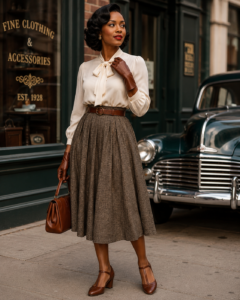
 Vintage style is all about celebrating the fashion of yesteryear, and it’s got an epic backstory behind it. When we talk “vintage,” we’re nodding to clothing that’s from 20 to 100 years old. These pieces often mirror the trends and tastes of their time, like 1920s flapper dresses or 80s power suits. They’re not just clothes; they’re little time capsules of culture.
Back in the day, each decade had its own vibe. The 1950s? Think full skirts and frothy petticoats. Fast-forward to the 70s, and it was all about boho chic and bell bottoms. Vintage fashion reflects the social and historical quirks of its era, like World War II giving us utility styles, or the 60s showing the rise of counterculture and free love. Each piece of clothing tells a story from its time.
Let’s clear up a common confusion: vintage isn’t the same as retro or antique. If it’s retro, it’s newer stuff made to look old—like a brand-new dress with a 50s silhouette. Antique pieces are even older than vintage, usually over 100 years old. And vintage? It’s that goldilocks period, not too old but still packed with character.
And here’s where the historical events come into play. Wars, political upheavals, and cultural movements—think peace and love in the 60s or the excess of the 80s—all left their mark on the clothes people wore. Fashion was a reflection of society’s shifts, whether it was women entering the workforce en masse or the disco craze taking over. That’s why vintage style is more than just a look; it’s a history lesson.
Essential Elements of a Vintage Wardrobe
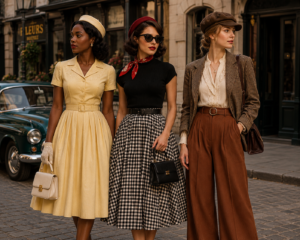 Building a vintage wardrobe can feel like a trip down memory lane, but where do you start? Iconic pieces like the classic little black dress, high-waisted trousers, and vintage denim are foundational. These are must-haves that capture the essence of vintage throughout the decades. Slip in a 1940s tea dress or a 1970s maxi, and you’re set for any occasion.
Crafting your collection isn’t about grabbing everything old you find. Focus on versatile basics that echo your personal style. Blend in staple items like simple tops that pair well with standout vintage skirts or jackets. Mixing these elements will create looks that’ll make even the most Instagram-savvy stop scrolling.
Choosing the right fabrics, patterns, and colors is key. Vintage styles often feature bold prints, such as polka dots or paisley, and fabrics like tweed, chiffon, and denim. These materials not only define the era but carry a certain nostalgia that makes vintage special.
Now, shopping smarter is where the fun begins. Whether you’re hitting up thrift stores or online vintage boutiques, knowing what to look for changes the game. Look out for unique labels or details inside the garment that indicate authenticity. Real vintage pieces often tell a story, whether through a designer tag or handmade touches.
Nailing a vintage wardrobe isn’t just about the clothes, but how you bring them together in a way that speaks to who you are. It’s about the expression, the individuality, and that little burst of history you carry with each outfit.
Incorporating Vintage Fashion: Style Tips and Tricks
 Mixing modern with vintage is where the magic happens. It gives your wardrobe a unique twist and keeps your style fresh and exciting. Pair a classic 50s pencil skirt with a sleek modern top, or throw on a vintage leather jacket over your favorite tee. It’s about balance—letting the old and new complement each other.
Dressing vintage doesn’t mean you’re stuck in a time warp. You can totally rock vintage at different occasions with a bit of creativity. Consider a chic 1920s-inspired dress for a cocktail party or a 70s bohemian ensemble for a festival. It’s all about adapting the retro vibes to fit right into today’s setting.
Accessories are your best friends when finishing off a vintage look. A retro hat or a bold pair of cat-eye sunglasses can seriously elevate your outfit. And don’t forget the shoes—nothing screams vintage like a pair of Mary Janes or oxfords. They pull the whole look together and tie in those vintage elements from head to toe.
Thinking about your hair and makeup can seal the deal on your vintage style. Go for vintage hairstyling tricks like pin curls or victory rolls, or keep it simple with sleek up-dos reminiscent of past decades. Makeup wise, a classic red lip or winged eyeliner can add that perfect touch of vintage flair. Together, these elements ensure your vintage outfit isn’t just authentic, but classically timeless.
Preserving and Maintaining Your Vintage Outfits
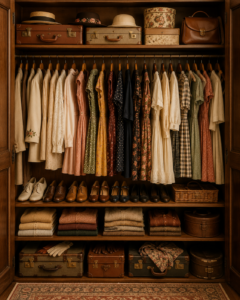 So, you’ve got some vintage treasures in your closet, and you wanna keep them looking sharp. Storing them right is the first step. Avoid hanging heavier items; instead, fold them to prevent any long-term damage to delicate fabrics. For the stuff that needs hanging, padded hangers are your best bet to keep the shape looking fresh.
When it comes to cleaning, treat vintage with extra care. Always check tags for specific instructions, and if in doubt, hand wash or opt for professional cleaning. Be gentle with vintage fabrics, steering clear of harsh detergents that could cause fading or wear.
Patch-ups can be part of the journey. Small repairs like mending a tear or replacing a button can breathe new life into your clothes without losing that vintage charm. For bigger jobs, finding a tailor who knows vintage clothing can be a game changer, ensuring any alteration is done with respect for the garment’s original design.
Sometimes vintage clothing needs a bit more help, like dealing with stubborn stains or tears. There are plenty of sustainable repair techniques out there. Even if it involves adding a patch or a bit of embroidery, those little fixes can add personality while keeping the essence of vintage alive.
Keeping your vintage gear in top shape means addressing each piece individually. Take the time to get to know the quirks and needs of each piece. By doing so, you’ll maintain the integrity and history each item carries, ready to enjoy for years to come.