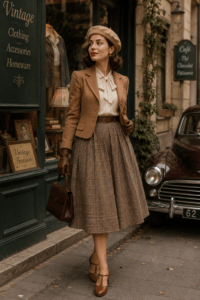
 There’s something pretty magical about slipping into a vintage outfit. It’s like wearing a piece of history that somehow fits right into today. The charm of vintage fashion lies not just in the clothing itself, but in the stories each piece carries. From classic 50s dresses to those funky 80s jackets, vintage fashion is on a continuous loop, popping back into our wardrobes with fresh enthusiasm.
If you’re wondering why vintage fashion sticks around while trends come and go, it’s all about the cultural and economic factors. Ever notice how when the world gets a bit overwhelming, many of us find comfort in bringing back the past? This nostalgia fuels the vintage craze, letting us relive the golden eras of fashion with a modern twist.
Besides, wearing vintage is a loud shout-out to personal identity. It’s a way to stand out in the sea of fast fashion, showing off your unique taste. Vintage pieces tell people you have an eye for quality and style that transcends the ever-spinning fashion wheel.
Plus, experts will tell you that vintage isn’t just a fashion choice — it’s a lifestyle. Fashion historians and style gurus alike emphasize the lasting appeal of vintage clothes because they’re designed to last, both in materials and aesthetic value. If you’re holding onto that designer pencil skirt from the 70s, you can bet it’ll still turn heads today just as it did back then.
Curating Your Collection: Where to Find the Best Vintage Pieces
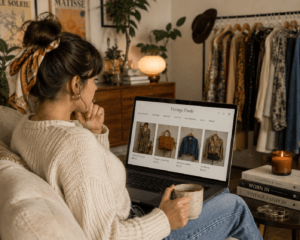 Hunting for vintage pieces can feel like embarking on a thrilling treasure hunt. Whether you’re scrolling online or rummaging through brick-and-mortar stores, there are gems to be found if you know where to look. Start with thrift stores and vintage boutiques in your area; each has its own unique charm, often carrying pieces that reflect the local flavor.
Online is another goldmine. Websites and apps dedicated to vintage fashion are booming, giving you access to pieces from around the world right at your fingertips. Platforms like Etsy and eBay are popular among vintage enthusiasts, but more niche platforms can offer rarer finds.
One key skill you’ll need is spotting genuine vintage. Look for labels that reflect the era or details like buttons and zippers that tell you about the piece’s age. If you’re unsure, many places have consignment experts who can help authenticate your finds and ensure you’re getting the real deal.
Visiting local flea markets and vintage fairs can also be an exciting journey. They often host a myriad of vendors, each with their own specialties. Here, you’ll find not just clothing, but accessories and home goods that add a touch of retro style to your life.
Insider tip: Get to know the sellers if you can. Building relationships can lead to inside knowledge on new arrivals or even some sweet deals. Don’t shy away from asking about the history of an item — the story can make it even more special to wear.
From Retro to Modern: Styling Techniques for Vintage Outfits
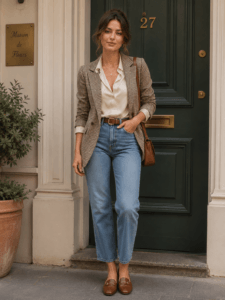 Styling vintage outfits is like painting with a vibrant palette where you get to mix the old with the new, creating looks that are uniquely you. It’s about finding that sweet spot where retro charm meets modern flair.
To pull off a vintage look without looking like you stepped out of a time capsule, start by pairing classic pieces with contemporary staples. Think a vintage high-waisted skirt with a sleek modern crop top. The idea is to let the vintage piece shine, while the modern item grounds the ensemble in the present.
Layering is your secret weapon here. Mixing different textures and patterns not only adds depth but also gives a nod to both the past and present. For instance, a vintage oversized denim jacket works wonders over a modern slip dress. Play around, experiment, and don’t be afraid to blend different genres of fashion.
Accessorizing is key to taking your vintage outfits up a notch. Vintage jewelry, hats, or shoes can be the cherry on top. Think about adding a statement vintage brooch to a modern blazer or wearing a pair of retro cat-eye glasses. Incorporating accessories is like adding your unique signature to the mix.
If you’re seeking inspiration, many fashion icons and influencers are pros at blending vintage with modern looks. Observe their choices and see how they adapt pieces into everyday outfits. Just remember, there are no strict rules—it’s all about expressing yourself and having fun with fashion.
Sustainability and Vintage Fashion: A Step Toward Ethical Style
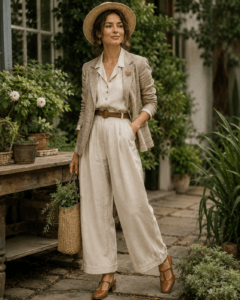 Vintage fashion is making waves not just for its style, but for its sustainable edge. In a world grappling with the realities of fast fashion, opting for vintage is an eco-friendly choice that helps curb the cycle of constant new production. Wearing vintage means giving new life to existing pieces, reducing the demand for factory-made clothing that often comes with hefty environmental costs.
By investing in vintage, you’re contributing less to waste. Most of these pieces were made before the age of disposability, crafted to last through decades, not just seasons. That old-school quality ensures your wardrobe stays timeless, making vintage a smart financial move as well.
For many, embracing vintage fashion is about more than just sustainability. It’s about ethical consumption and being mindful of where and how clothing is made. Fast fashion has led to labor exploitations worldwide, but vintage bypasses these issues since you’re mainly buying pre-existing clothing.
Hearing personal stories from women who have turned to vintage underscores the powerful shift toward eco-conscious living. Many share how vintage shopping has opened their eyes to ethical style and why they’re dedicated to keeping it a staple in their lives.
Vintage fashion also plays a significant role in promoting broader sustainable practices within the industry. As more people turn to vintage, it pushes fashion brands to consider better production methods and prioritize longevity over fleeting trends. Embracing vintage isn’t just a nod to the past, but a step toward a more responsible future in fashion.