
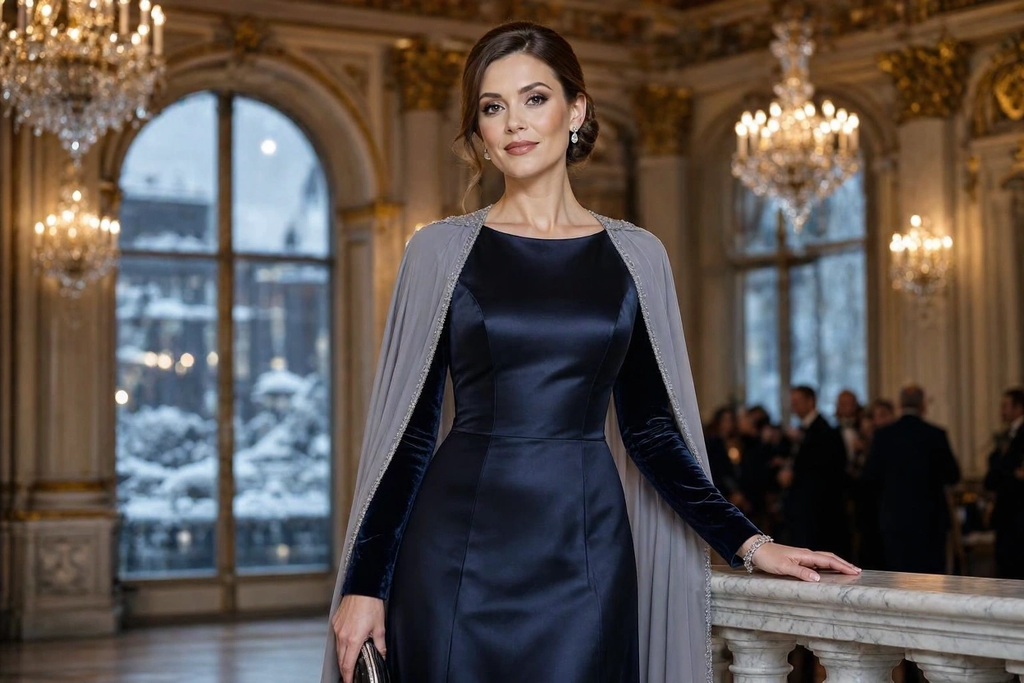
Long sleeves give you more fabric to work with, which means more room for a dress to look expensive or to look shapeless. The ten dress types below are sorted by silhouette, fabric and occasion, so you can start from the event on your calendar and work backward to the right choice. Each one includes what to check on the label and in the fitting room before you buy.
What makes a long sleeve dress look elegant rather than just covered up

Elegant long sleeve dresses share a few details that have little to do with the trend of the season. The first is the sleeve itself. The shoulder seam should sit at the edge of your shoulder, the upper arm should have room to move without pulling across the back, and the cuff should end near the wrist bone. A sleeve that is too long or too tight at the elbow makes even a costly fabric look borrowed.
The second is fabric weight and drape. Heavier fabrics such as velvet, crepe and structured knits hold a line and skim the body. Fluid fabrics such as satin and silk move and catch light, but they show every seam and every dry-cleaning mistake. Choose the fabric that matches how much structure the occasion calls for.
The third is lining. A lined dress hangs smoothly, resists clinging to tights, and keeps its shape after several wears. Turn the dress inside out in the fitting room: clean seam finishes and a lining that matches the outer fabric’s weight are reliable signs of careful construction.
Finally, give the dress one focal point. A dramatic neckline, a sculpted sleeve or a rich color works best when the rest of the dress stays quiet.
The black velvet column dress for winter evenings
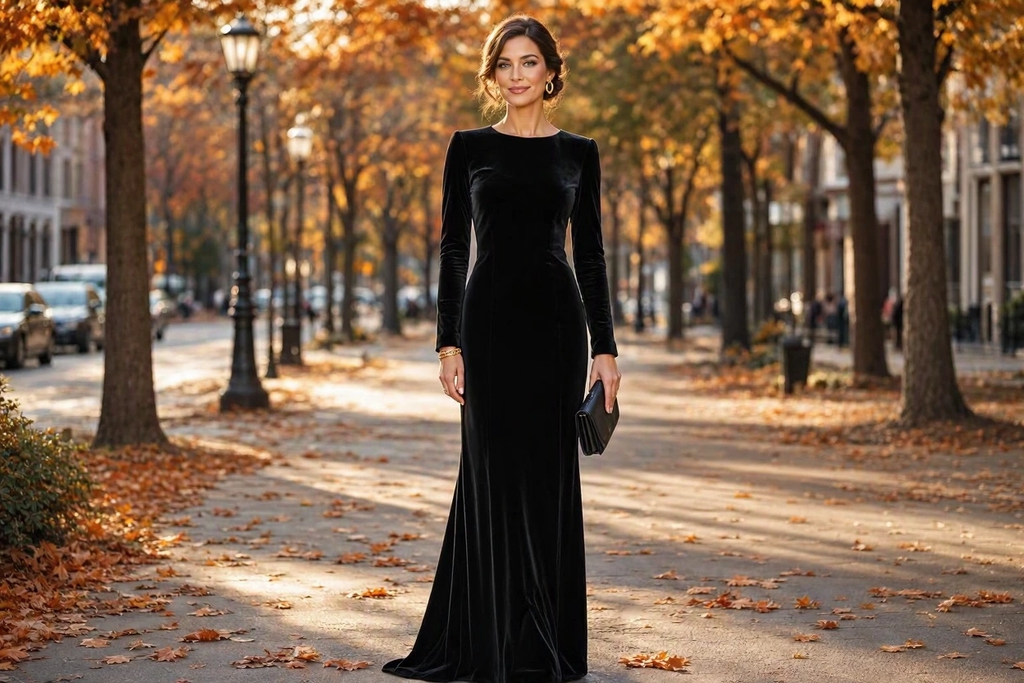
A column dress falls straight from shoulder to hem with only gentle shaping, and in velvet it reads as formal without any added decoration. The pile of the fabric absorbs and reflects light differently across the body, which gives depth to a plain black. This is the dress for holiday dinners, theater nights and winter receptions where you want to look composed rather than dressed up.
Check the fabric before anything else. Velvet with a dense, even pile looks richer than thin velvet that shows bare patches at the elbows and hips. Look for a stretch or a lining that stops the dress from clinging, and confirm the hem is weighted enough to hang straight. Velvet crushes in storage, so hang it rather than folding it.
Keep the styling spare: a clean neckline suits this dress best, and one strong piece of jewelry is enough.
The satin midi with a cowl neck for dinners and date nights
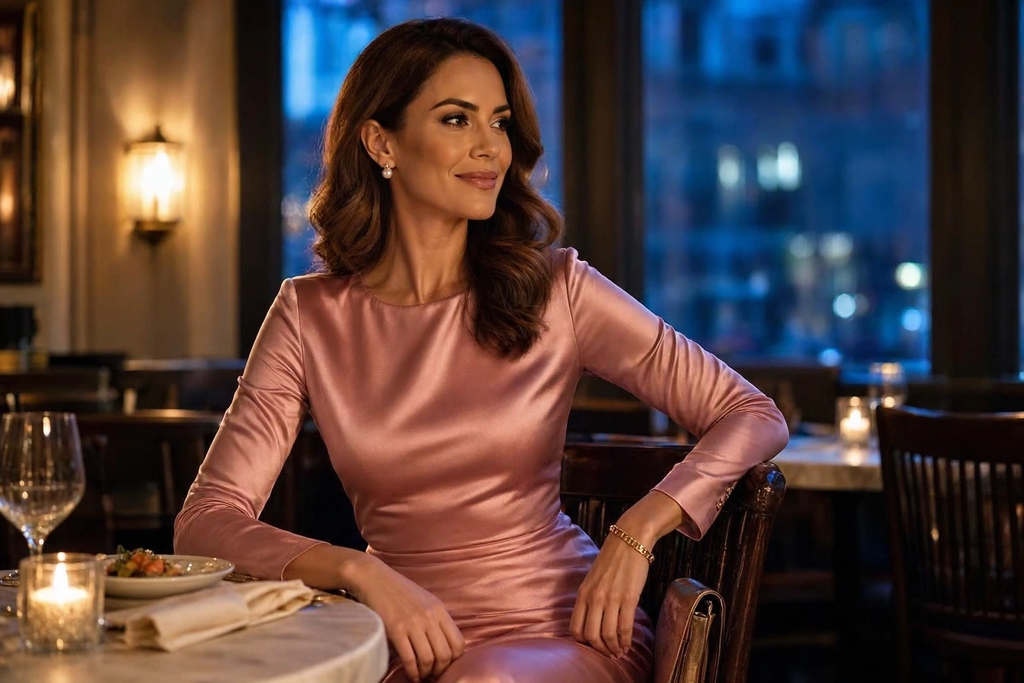
A bias-cut satin midi with a cowl neckline is the most flattering option for an intimate evening. The cut lets the fabric flow over the hips instead of gripping them, and the soft folds at the neck frame the collarbone without exposing much. It suits restaurant dinners, anniversaries and cocktail evenings in cooler weather.
Satin quality varies widely. A good one has a soft, liquid sheen, while a poor one looks stiff and reflects light in a flat, plastic way. Hold the fabric up to a window: it should look smooth and show a gradual shimmer rather than harsh glare. Satin also marks easily with water and snags on rough jewelry, so wear it with smooth accessories and test a hidden area before treating a spot.
Choose a midi hem that lands mid-calf. It looks deliberate with heels or with sleek ankle boots in cold weather.
The tailored wrap dress for the office and beyond

A wrap dress adjusts to your waist and has a defined neckline that crosses the body. In a crepe or a mid-weight wool blend with long sleeves, it takes you from client meetings to an after-work dinner with a change of shoes. It is one of the few dress types that looks equally right at a desk and at a restaurant.
Look at the closing. The wrap should stay in place when you sit, reach and walk, so check that there is an inner tie or a snap that holds the overlap. The neckline should lie flat against your chest without gaping. For workdays, choose a hemline at or just below the knee and a fabric that resists wrinkles, since you will be sitting for hours.
Navy, deep green and charcoal look polished in daylight and work in dim restaurant lighting.
The sleek knit maxi for polished comfort
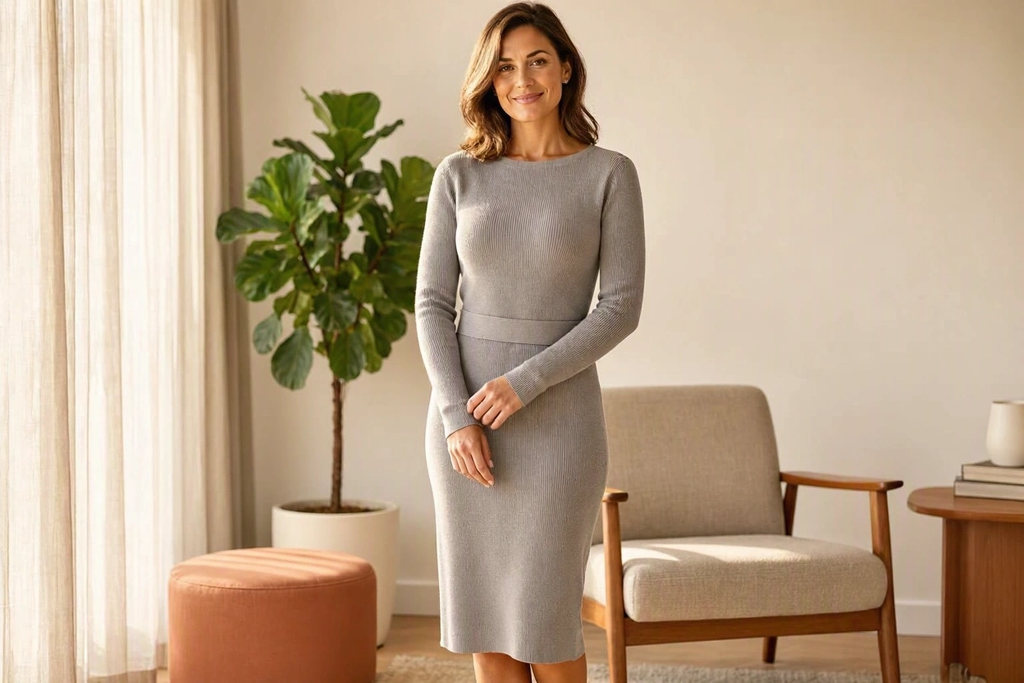
Knit dresses make sense when you will be sitting, traveling or standing for long stretches. A fine-gauge or ponte-style knit maxi follows the body smoothly and keeps its shape, which separates it from a loose sweater dress. It suits long lunches, holiday gatherings, gallery openings and any event where comfort matters as much as appearance.
Fabric structure decides how elegant it looks. A dense, smooth knit with a little weight drapes cleanly, while a thin, loosely knit one clings and pills. Stretch the fabric gently between your fingers: it should spring back at once. Check the seams along the sides and under the arms to confirm they lie flat.
A column or slightly flared shape with a mock or boat neck looks most refined. Wear it with a belt only if the knit is firm enough to hold the cinch without bunching.
The lace long sleeve dress for weddings and receptions
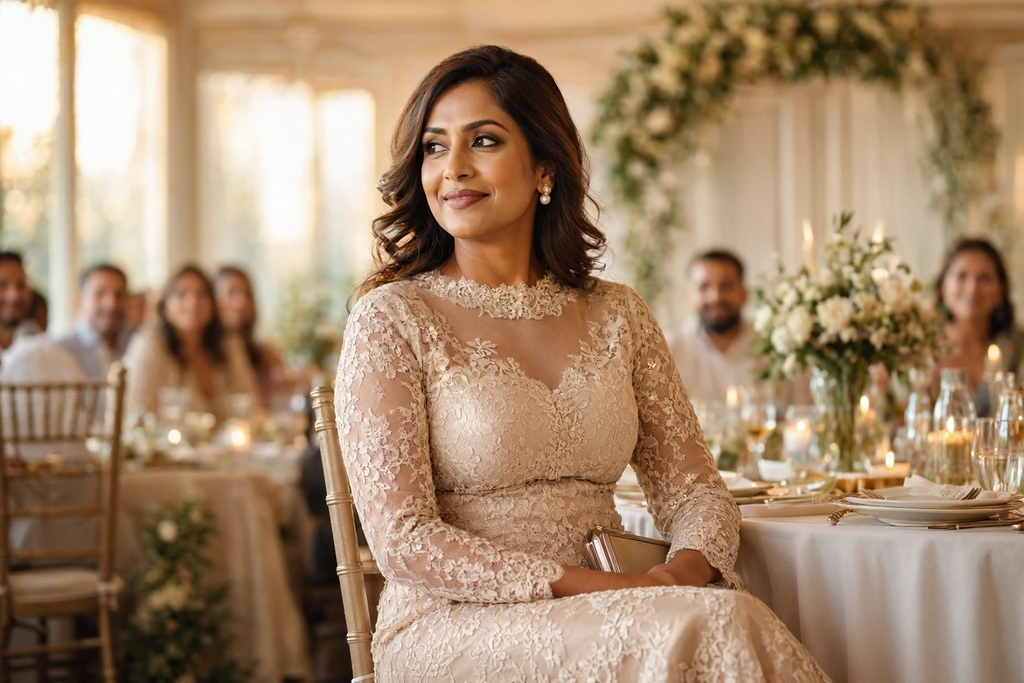
Lace brings texture and a traditional formality that suits ceremonies and receptions. Long lace sleeves cover the arms while still looking light, which makes this a dependable pick for church services, winter weddings and engagement parties.
The quality of the lace shows in the details. Look for a pattern that is evenly spaced and clean at the scalloped edges, with no loose threads or stiff, scratchy patches at the neckline and cuffs. A good lace dress is fully lined, usually in a skin-tone or matching shade, so the lace reads as a deliberate layer rather than a see-through one.
Dark shades such as burgundy, navy and black give lace a modern, grown-up look. If you plan to attend a wedding, keep in mind that white, ivory and cream are generally best left to the bride.
The sculptural gown with bishop or bell sleeves for black-tie events
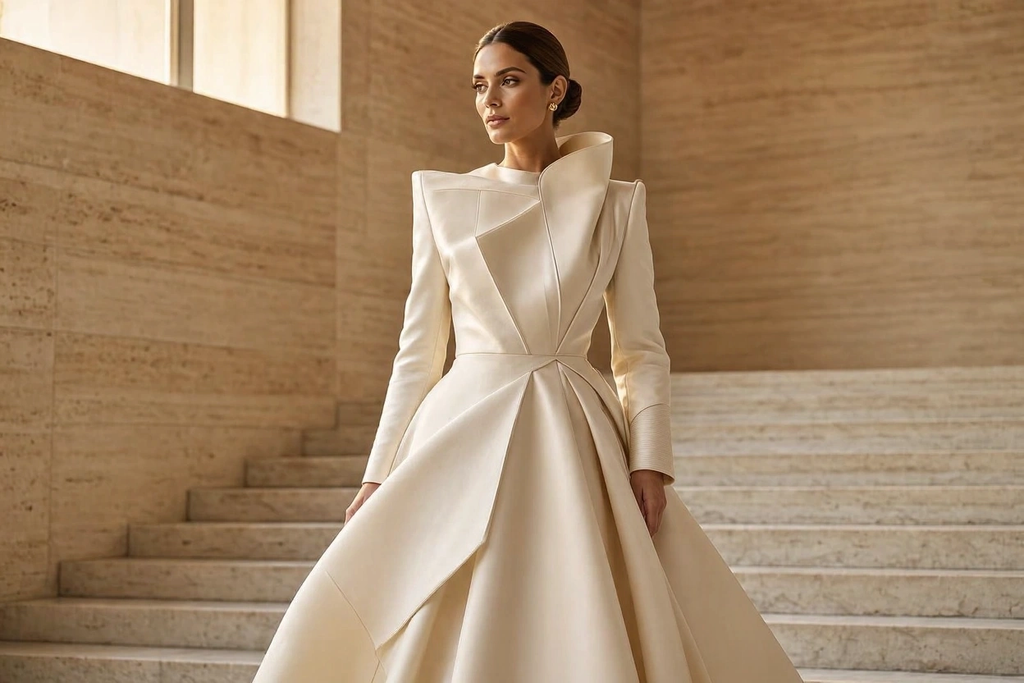
For black-tie evenings, a floor-length gown with a sleeve that has real shape makes the strongest impression. A bishop sleeve gathers at the cuff and falls full from the shoulder, and a bell sleeve flares out toward the wrist. Both give the arm presence without any beading or embellishment.
Fabric with body is essential here, because soft fabrics let the sleeve collapse. Crepe, heavy satin, taffeta and structured jersey all support volume. Put your arms up, lower them, and bend your elbows in the fitting room to see how the sleeve behaves, since a dramatic cuff can catch on glasses, table settings and clutch straps.
Keep the bodice clean and the hem long enough to just skim the floor in your heels. A gown of this kind needs little more than earrings and a small bag.
The jewel-toned silk shirt dress for daytime luxury
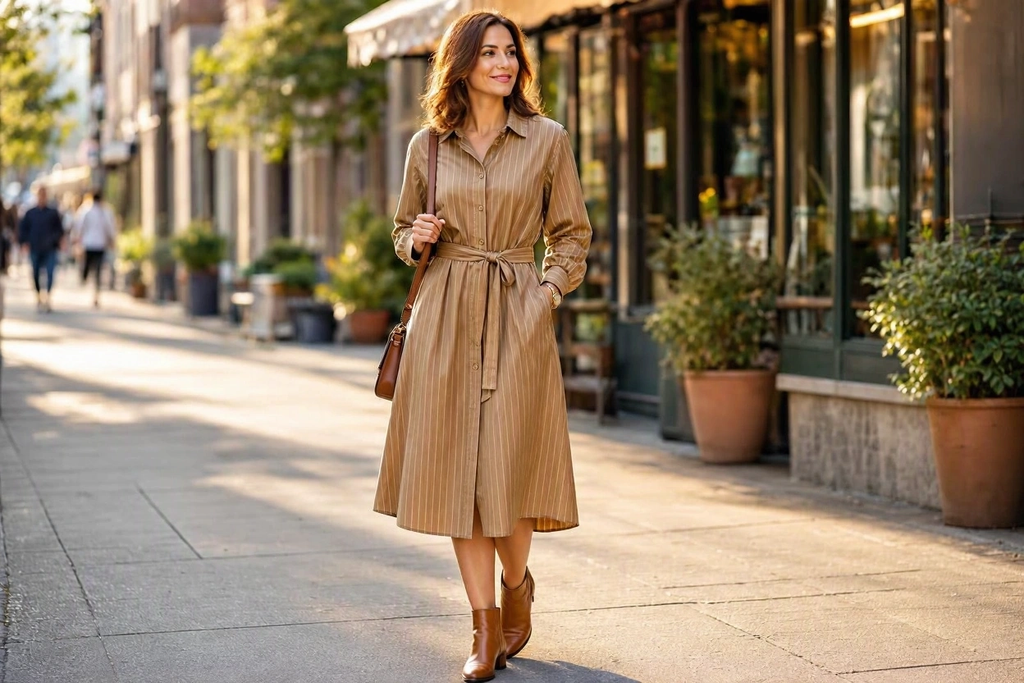
A silk shirt dress is the choice for dressier days that do not call for evening wear: brunches, gallery visits, lunch meetings and holiday daytime parties. The collar, button front and cuffs give it structure, and a rich sapphire, emerald or ruby shade makes it look luxurious without added ornament.
Silk wrinkles, so look at how the dress sits after you have worn it in the fitting room for a few minutes. Heavier silk crepe de chine or twill holds up better than a very thin silk. Check the buttons and buttonholes, which should be firmly stitched and evenly spaced. Look inside for French seams or finished edges, which indicate a well-made garment.
A waist belt in the same tone or a subtle matching leather gives definition. Silk usually needs dry cleaning or careful hand washing, so read the care label before you commit.
The structured sheath with a clean boat neckline
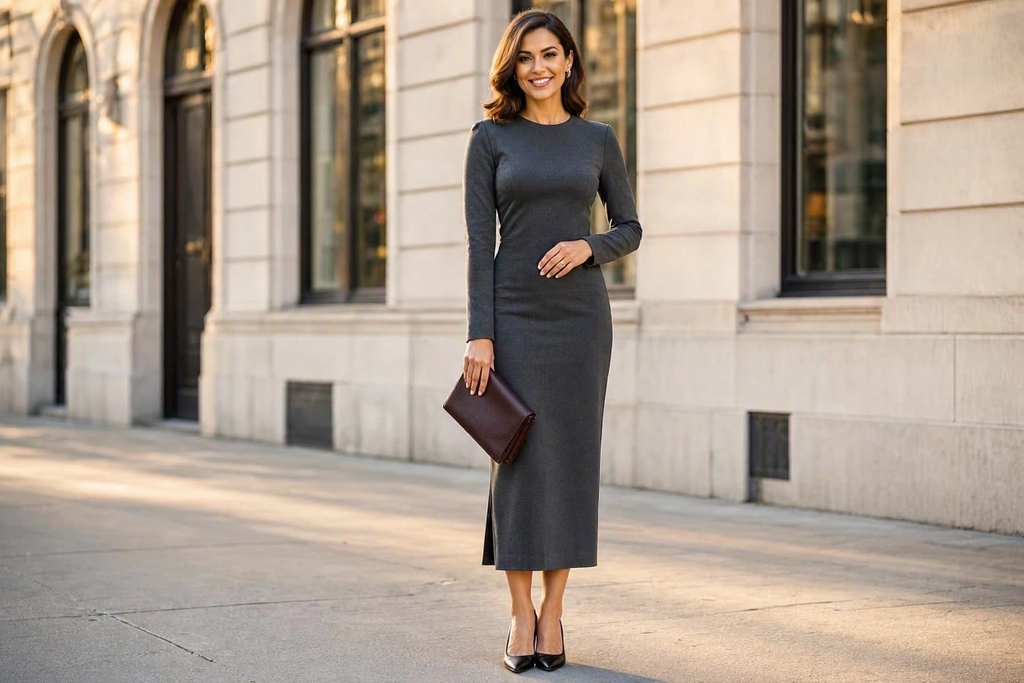
A sheath dress fits close through the body and ends at or just below the knee. A boat neckline runs wide and shallow across the collarbones, which adds a balanced, graceful line to the shoulders. In a ponte, wool crepe or a heavy stretch fabric with long sleeves, it works for board meetings, formal lunches, award ceremonies and church.
Tailoring is the whole point here, so pay attention to fit. The bust darts should land at the correct point, the waist seam should follow your natural waist, and the back zip should lie flat. You should be able to sit comfortably without the skirt riding up. If one area fits and another does not, a tailor can usually adjust the hem, waist and sleeve length at modest effort.
Black, camel, cream and deep wine are all dependable shades, and a single strand of pearls is enough as an accessory.
The sheer-sleeve cocktail dress for a statement entrance
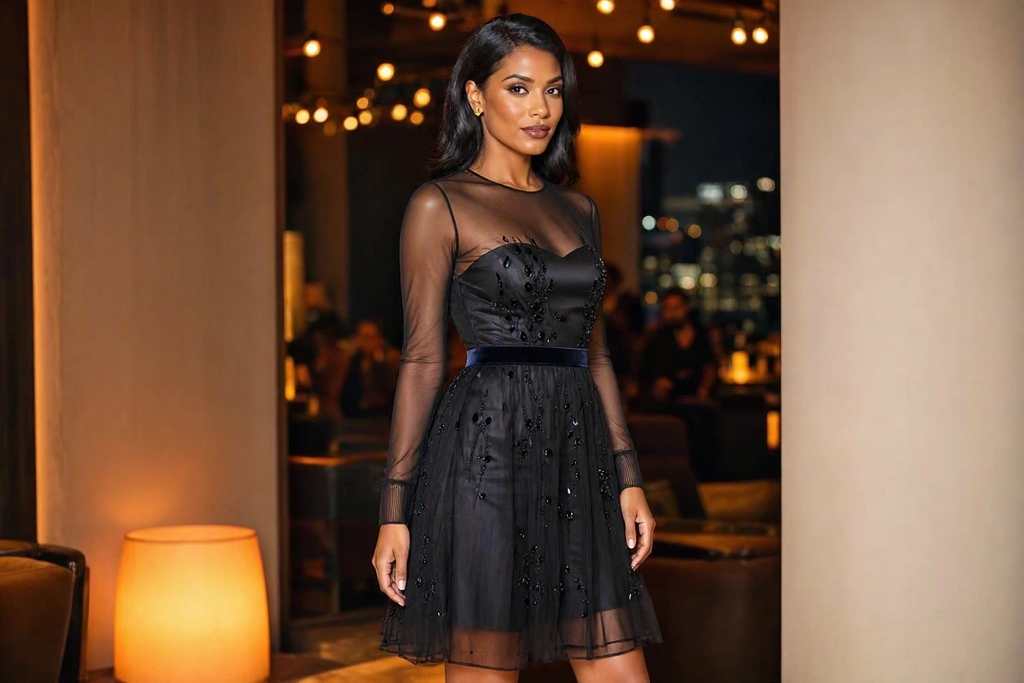
A cocktail dress with sheer sleeves shows skin through a fine fabric while the bodice and skirt stay solid. Chiffon, organza and fine tulle are the usual sheer fabrics. The effect is dramatic but restrained, which suits New Year’s Eve parties, galas and receptions where you want to be noticed.
The sheer fabric needs to be finished well. The cuffs should be neatly hemmed or gathered, and the seam where the sheer sleeve meets the bodice should lie flat and not pucker. Sheer fabrics tear and snag easily, so inspect the sleeves for pulls and handle them gently when dressing.
Keep the skirt simple so the sleeves remain the focus, and choose a length from just above the knee to midi. Pair it with minimal jewelry on the wrists.
How to pick your one dress by occasion, fabric and fit
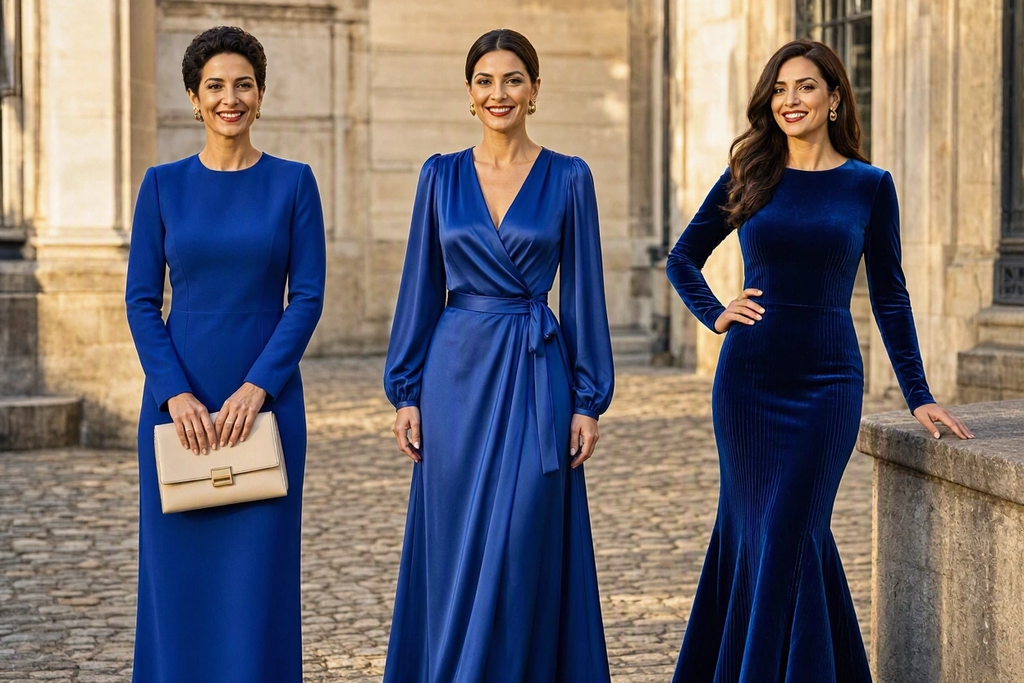
Start with the event that appears most often on your calendar. If it is dinners and date nights, the satin midi or velvet column fits. For the office, choose the wrap or the sheath. For weddings and receptions, choose lace. For black-tie events, choose the sculptural gown, and for daytime dressing, the silk shirt dress or knit maxi.
Then think about the fabric against the climate and the setting. Velvet and wool crepe suit cold, formal evenings, while knits and ponte suit long days of sitting and moving. Silk and satin need more careful handling, so they suit occasions where you will not be carrying bags or sitting in a car for hours.
Finally, check the fit in three places: shoulders, sleeve length and hem. A dress that fits across the shoulders can usually be altered at the waist and hem, but shoulders are hard to change. Move around in it before you decide: sit, lift your arms and walk across the room.
Once you have chosen your dress, the next step is the full outfit. The guide to how to style a long sleeve dress covers shoes, layers and accessories, so you can plan the whole look around the dress you picked.