
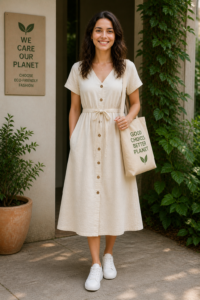
 Eco-friendly fashion isn’t just a buzzword; it’s a movement reshaping how we think about our clothes. The planet’s got some issues, and the fashion industry’s not off the hook. Making clothes takes a toll on the environment with water wastage, pollution, and tons of discarded fabrics. So, understanding this need for sustainability is crucial.
The traditional fashion industry has been accused of various environmental sins over the years. The carbon emissions alone are huge, and then there’s chemicals and dyes polluting waterways. These issues push us to find better ways, leading to a rise in brands dedicated to being green. This eco-revolution is not just changing brands, but influencing what’s hanging in our closets.
Eco-conscious consumers are rewriting the future. With the power of choice, they’re showing brands that sustainability matters. This demand’s not just a trend; it’s driving companies to innovate and improve. When folks start paying attention and choose wisely, big changes happen. Being part of this shift isn’t about being perfect; it’s about making smarter decisions one outfit at a time.
Criteria for Choosing Eco-friendly Clothing Brands
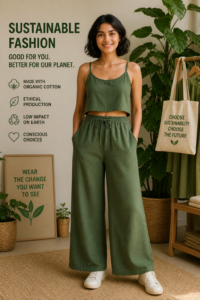 Finding genuinely eco-friendly clothing brands can feel like searching for a needle in a haystack, but knowing what to look for makes it easier. “Eco-friendly” isn’t just about a label; it’s about the values a brand stands by. You want brands that shout out their love for the planet through every thread and button.
To kick things off, understanding how a brand impacts the environment is key. This means looking at the materials they use, how they make their clothes, and even how they package products. Organic cotton, hemp, Tencel – these are fabrics worth keeping an eye out for. They’re less harmful than conventional options and support the planet in staying green.
Producing clothes isn’t just about materials, though. Ethical sourcing and labor practices play a massive role. Look for brands that treat workers fairly and ensure safe conditions. Certifications like Fair Trade or the Global Organic Textile Standard (GOTS) can give you some peace of mind about where you’re digging into your wallet.
Remember, being eco-friendly starts with us consumers asking the right questions and doing a little digging. The more we demand transparency, the more brands will step up. Think of it as a shopping list for the planet, checking off criteria that make a difference while making our closets a bit more conscious.
Top Eco-friendly Clothing Brands Making a Difference
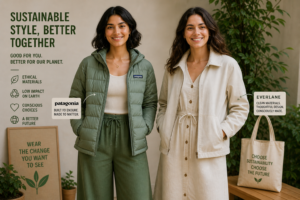 When it comes to eco-friendly fashion, certain brands really stand out in their commitment to the planet. Let’s get familiar with a few frontrunners making waves in sustainability.
First up is Patagonia. This brand isn’t new to the sustainability game—they’ve been working on eco-friendly initiatives for decades. Patagonia sets the bar with their commitment to using recycled materials and promoting social responsibility through transparent supply chains.
Then there’s Everlane. This brand is obsessed with transparency in both pricing and production. They’re all about ethical factories and sustainable fabrics that make you feel good, inside and out. It’s not just about looking good anymore—it’s about making choices that align with your values.
Also making an impression is Reformation. Known for its stylish yet sustainable clothing, this brand invests in eco-friendly fabrics and sees reducing waste as a core mission. Reformation’s commitment to transparency about their environmental impact is truly refreshing.
Each brand has its strengths—Patagonia’s rugged, outdoor style, Everlane’s minimalist chic, and Reformation’s trend-forward approach. They each bring something unique to the table, offering a variety of options for eco-conscious shoppers wanting to make a difference.
How to Support Eco-friendly Fashion
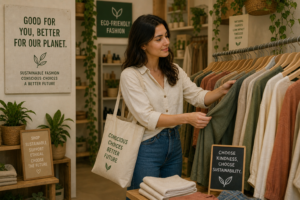 Making eco-friendly choices in fashion isn’t just about buying the right brands; it’s about changing the way we think about clothes altogether. Each purchase can either support sustainable practices or add to the problem, so the decisions we make really do matter.
To start with, consider how often you actually need new clothing. Sometimes, reducing consumption is the most eco-friendly decision we can make. When you do need something new, prioritize quality over quantity. Fewer, better-made pieces can last longer and make a smaller impact than fast-fashion buys.
When shopping, think about the materials in the clothes you’re buying. Look for those made from natural fibers like organic cotton, or innovative materials like recycled polyester which help divert waste from landfills and reduce the need for virgin resources.
Let’s not forget the power we have in the choices we make daily. Just as important as what we buy is how we care for our clothes. Proper laundry habits like washing clothes in cold water can extend their lifespan and reduce energy use.
Spreading the word and sharing what you know about eco-friendly brands and practices with friends and family can amplify your impact. Encouraging others to make thoughtful choices helps drive the movement forward. Supporting sustainable fashion is something anyone can do, and it starts with just a few mindful choices.